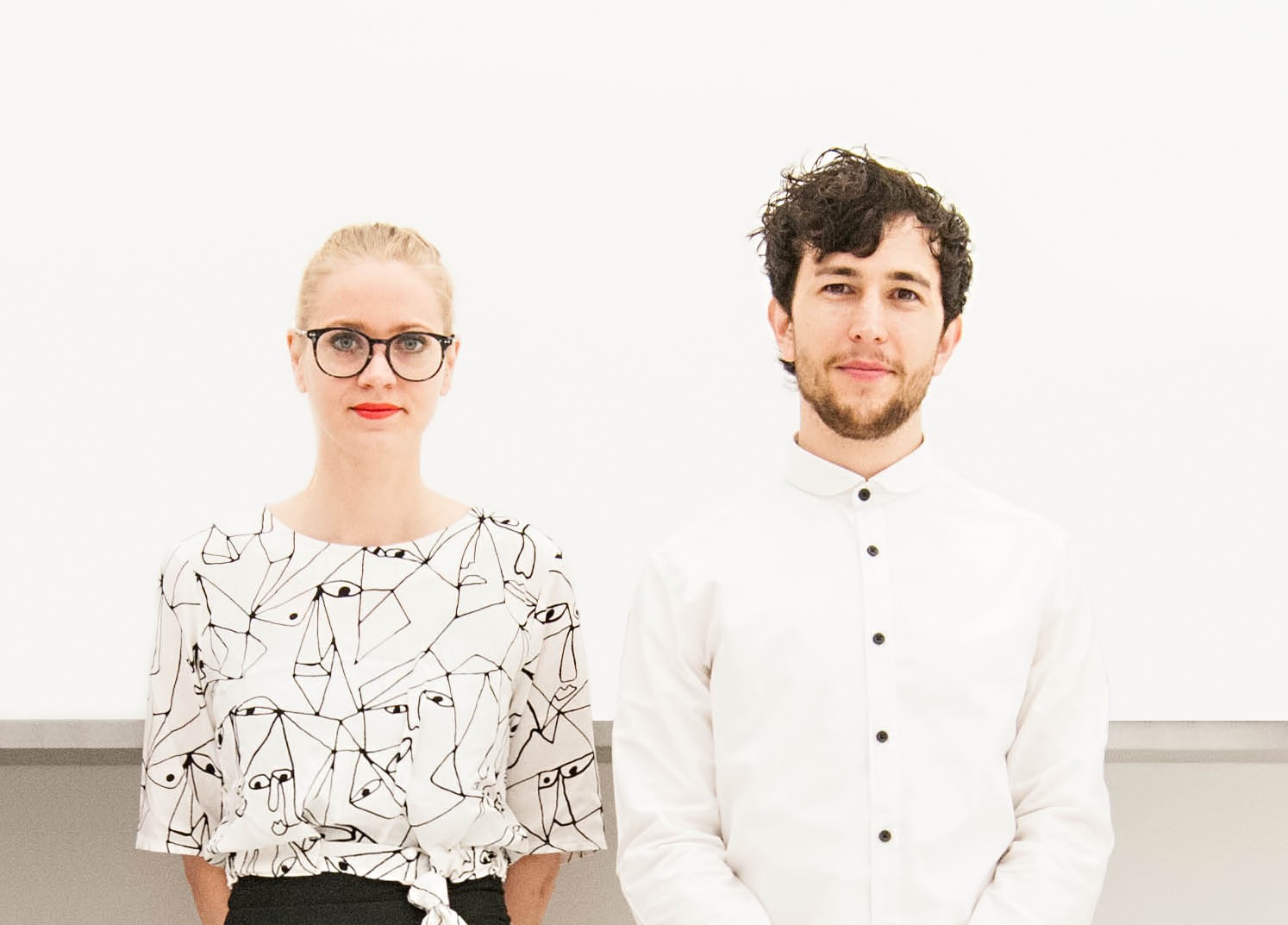
You are part of this trend, the so called “pre-tail”. Could you please define it for our readers from your business’s perspective and tell us a few words about its advantages and disadvantages?
Pre-tail basically means buy before it is produced. This allows designers to test a product and see if the public likes it. There is no risk investing a lot of money in getting a first series produced if you don’t know if your product will be popular. Designers can start a pre-tail campaign, even say if they need a minimum to start production and find out what the demand is for their product. When there is enough interest, designers can produce the exact demand for their product. As a disadvantage, the customer has to wait longer to receive a product, but on the other hand he is the first owner of a product nobody else has.
The online environment has changed the buyer a lot and the showroom is not abandoned, but visited only after the online catalogue has been studied. Users definitely see it as a plus as they save time, retailers see it as a plus as they can also sell online, not just in-store. How do you see the world of retail in your sector in 10 years from now?
Buying online becomes a very common thing for customers, even for bigger and pricier products like furniture. Online retailers are offering better and better conditions constantly, for example free returns, so customers have nothing to lose, so why not buy it online? As a result you see that offline retailers start to offer cheaper products in their store as more expensive products are not profitable for them anymore. Where are we 10 years from now? Offline shops understand they have to compete with online retailers, which forces them to offer something extra, an experience. This explains the growth of the so called ‘concept stores’. People go to a shop for a coffee and to be inspired. I think in 10 years from now offline shops will be even more experience focused and sell more price accessible products. I doubt that the really big shops, purely selling couches for example, will still be there.
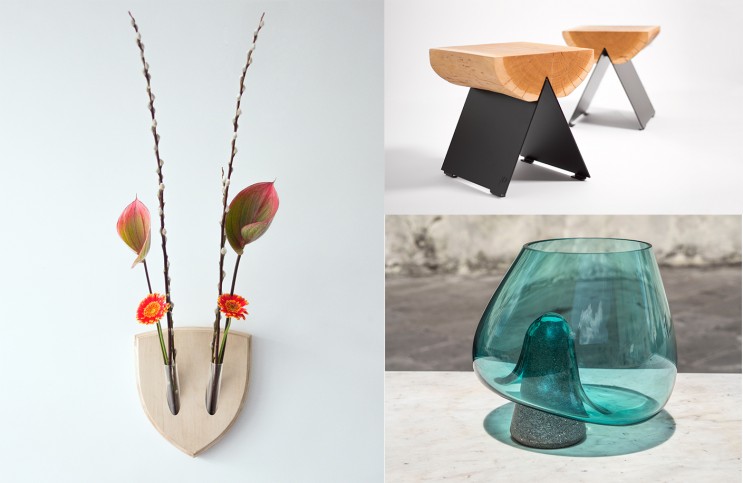
Online crowdfunding for design. What is your customer’s profile? Is he young, hip and passionate about innovation, is he the middle aged business owner with an appetite for design, is he another artist maybe?
We started as a crowdfunding platform but made a pivot to our current model, which is a premiere platform and marketplace. Our customers are mainly based in cities and familiar with online buying. For our customers, buying a unique product with a story is more important than getting a product as fast as possible for a cheap price. Last week we got an email from a customer who said ‘I am on a mission to create a unique and interesting interior without any serial products in it, I found CrowdyHouse and I am delighted to have one place where choice for original products is endless’. I guess our customer is looking for something more than just a product, they want to stand out by getting one that you can’t just buy on every street corner. I think the direct contact with the designer also contributes a lot to a special experience.